


Woodwork Finger Joints

Beautiful fine finger joints by Samwoong Lee. woodwork

Common Types of Wood Joints You Should Know crafts in

Details beautiful fingerjoints from Danish manufacturer

35 Awesome finger joints wood images Wood images, Finger

How To Make a DIY Box Joint Jig Box, Woodworking and

Like the stepped finger joint, this joint requires one of
Properly-cut biscuit joints are strong and accurate, particularly when cutting slots with a woodworking tool called a biscuit joiner (or plate joiner).
Woodwork finger joints. The woodworking joint is. For certain types of woodworking joints such as edge-to-edge joints, miter joints, T-joints, and corner joints, there is hardly a better choice than biscuit joints. This joint isn’t as strong as the dovetail, but it is fairly easy to make with a table saw, wood router, or a jig.
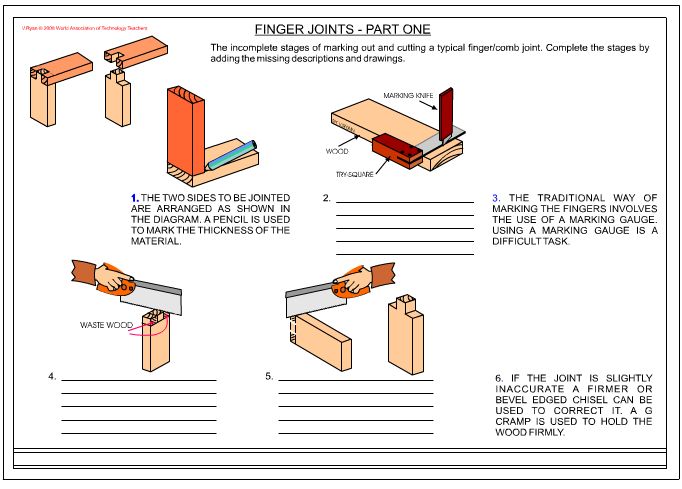
It does not have the mechanical strength of a dovetail. Similar to the dovetail joint, the finger joint also has a series of pins along an edge that are interlocked together using glue. The fingers interlock to form strong and stable corners and joints.
Dovetail joinery is famously popular in the world of wood joinery techniques, and aside from its strength, it's often used for decoration. Fluorescent lights are generally the go-to for a workshop because you can fill quite a large area with light by using them. Veröffentlicht von Samuel Schneider..
Plus, the joints required glue. Cut a 1 ⁄ 4 x 1 ⁄ 4 x 6" strip of hardwood that fits snugly into the notch you just cut in part A. - derive from the properties of the materials involved and the purpose of the joint.
But they are usually used by beginning woodworkers in places where a dovetail would be more appropriate, such as on a piece of 18th-century casework. (The strip should slip into place, yet fit tightly enough so it doesn't fall out.) Cut a 1 1 ⁄ 2" pin from the strip and glue it into the notch, flush with the back of part A. If you don't want to cut the fingers by hand, there are two ways to machine them.
Now, set your miter gauge for a 90° cut. Save the leftover strip.Screw part B to part A. The characteristics of wooden joints - strength, flexibility, toughness, appearance, etc.

Amazing Finger joint experiments Woodworking Art & DIY

How to Cut Finger and Box Joints for Simple Projects with
